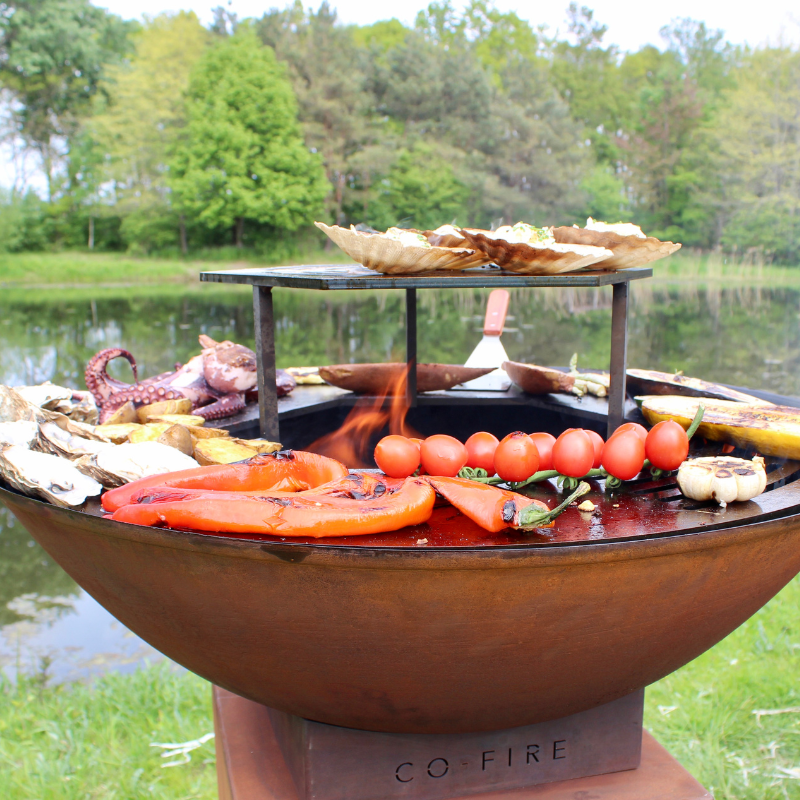

A plancha BBQ may seem simple to use. A large cooking surface, high heat and direct cooking. Yet many dishes go wrong because of small mistakes in temperature, preparation or timing. This is especially noticeable when food sticks, loses moisture or when the cooking surface becomes overcrowded.
Anyone who regularly cooks on a plancha BBQ will quickly notice that control is more important than extreme heat. A plancha behaves differently from a traditional grill grate. Ingredients are in direct contact with the steel, so every step affects crust formation, rendered fat and the overall cooking process.
Most mistakes aren't caused by the BBQ itself, but by the wrong cooking habits. Especially with meat, fish and vegetables, these details make an immediate difference to flavour and texture.
Not preheating the plancha for long enough
One of the most common mistakes is starting to cook too soon. The steel needs to be fully up to temperature before adding any ingredients. That means not only the centre, but also the outer zones of the cooking surface.
If the plancha isn't properly preheated, moisture builds up instead of ingredients caramelising. Vegetables become soft, meat starts to steam rather than sear and fish is more likely to stick.
A thick steel plancha often takes longer to reach a stable temperature than people expect. Especially with wood-fired models, patience is important before the entire cooking surface distributes heat evenly.
Cooking too many ingredients at once
A full plancha may look inviting, but overcrowding often causes the temperature to drop. As soon as too many cold ingredients are added at once, the steel loses heat.
You'll notice this especially with:
-
Prawns releasing too much moisture
-
Mushrooms starting to stew
-
Thin cuts of meat failing to develop a crust
-
Vegetables becoming soft instead of caramelising
It's better to cook in smaller batches and make use of different zones across the cooking surface. Especially on larger GrillRing BBQs, natural temperature differences allow you to cook with more control.
Cooking everything over extremely high heat
Many people associate plancha cooking with maximum heat. That's useful for some dishes, but not every ingredient benefits from it.
Thinly sliced vegetables, marinated meat and fatty ingredients can quickly burn when the steel becomes too hot. Oil and marinades in particular can develop bitter flavours when they come into direct contact with an overheated cooking surface.
A good plancha cooking session is usually about managing temperature rather than simply creating as much heat as possible. Use the hottest zones to develop a crust and gentler areas of the cooking surface for more controlled cooking.
Turning or moving ingredients too soon
Ingredients only develop a good crust when they have enough uninterrupted contact with the steel. Many people start moving or turning their food after just a few seconds.
This prevents even caramelisation and makes meat more likely to stick. Burgers, bavette and salmon in particular need enough time to naturally release from the cooking surface.
Plancha cooking requires less movement than many people think.
Using the wrong oil
Extra virgin olive oil is often used for its flavour, but it's less suitable for the high temperatures of a plancha. At intense heat, it can burn relatively quickly.
Oils with a higher smoke point are more stable, such as:
-
Peanut oil
-
Sunflower oil
-
Grapeseed oil
A thin film of oil also works better than adding large amounts of fat to the cooking surface. Using too much oil can create excessive smoke and lead to a build-up of burnt residue.
Not using different temperature zones
A good plancha will never have exactly the same temperature across the entire cooking surface. Especially when cooking over a wood fire, natural zones develop from very hot to more moderate heat.
Many people don't make enough use of these differences. Everything gets placed in the centre, while the outer edges are ideal for keeping ingredients warm or allowing them to cook more gently.
With larger fire bowl BBQs, this becomes even more important. By moving ingredients strategically across the cooking surface, you can stay in control without constantly adjusting the fire.
Not keeping the plancha clean while cooking
Cooked-on residue can affect flavour more quickly than many people realise. Marinades containing sugar or fat from sausages and burgers can burn and create a bitter layer on the steel.
Professional plancha cooks therefore regularly clean the cooking surface with a spatula or scraper while cooking. This keeps the surface consistent and helps prevent excessive smoke.
A thorough clean can wait until the end. During cooking, the main priority is simply removing built-up residue.
🔥 Explore our fire bowls, GrillRings and plancha BBQ accessories.
🔥 Looking for more tips on cooking over fire? Discover our other blogs.